
Semiconductors are the backbone of the modern digital economy, powering everything from smartphones and electric vehicles to renewable energy systems – and Viet Nam is not missing out on this trend, identifying the sector as a priority in its economic development. Demand for a skilled semiconductor workforce is surging, as major international chipmakers planning to expand their presence in the country, yet Viet Nam currently lacks the trained talent workers to fully seize this opportunity.
Viet Nam’s commitment to semiconductor workforce development is anchored in strong policy foundations. The Prime Minister’s Decision No. 1017/QD-TTg sets out a programme for human resource development in the semiconductor industry to 2030, with a vision to 2050. More recently, Resolution 71 – adopted by the Politburo in August 2025 – recognises the key role of technical and vocational education and training (TVET) in equipping Viet Nam’s workforce for digital and green socio-economic development, and calls for internationally compatible educational offerings that raise the profile of Vietnamese TVET on the global stage.
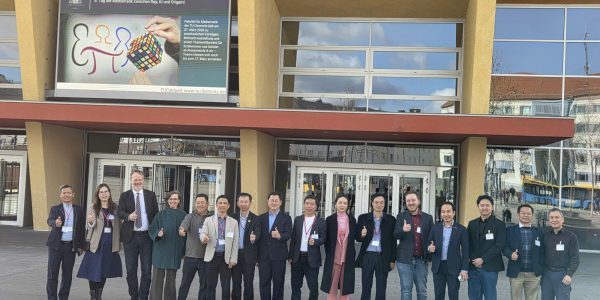
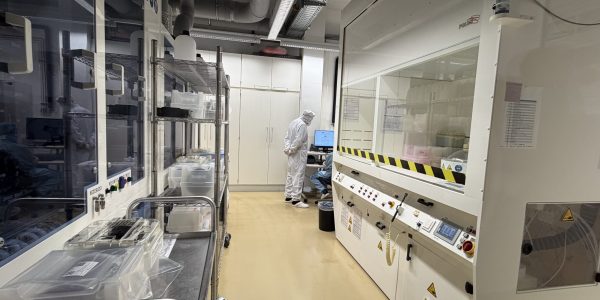
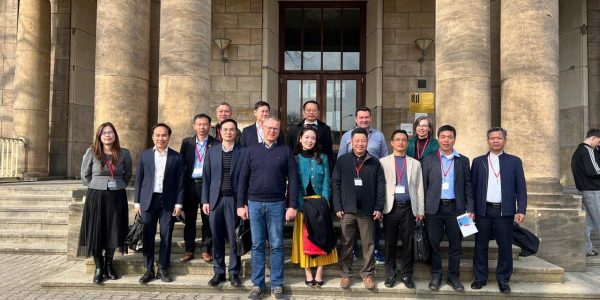
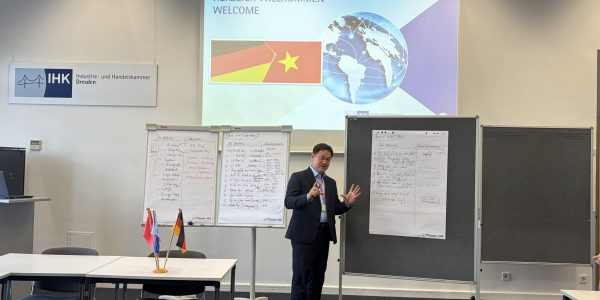
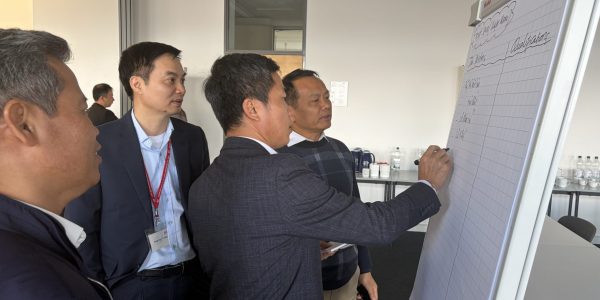
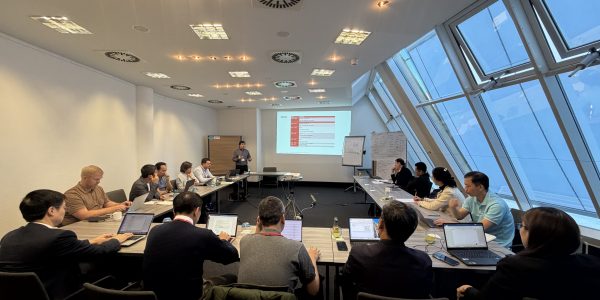
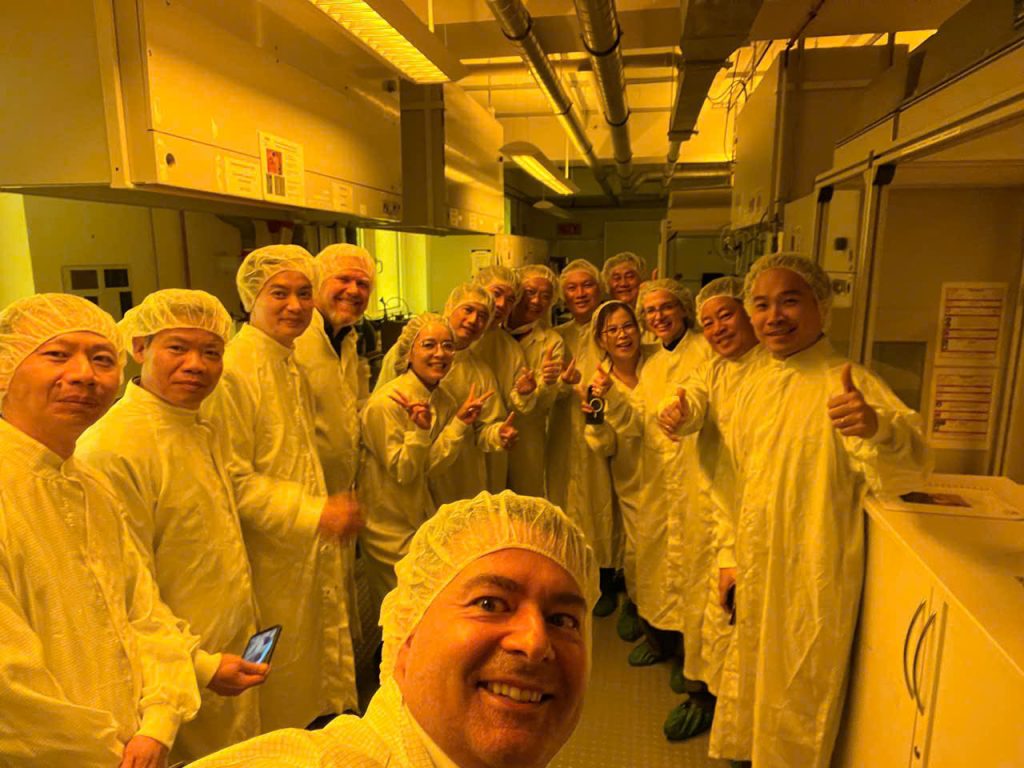
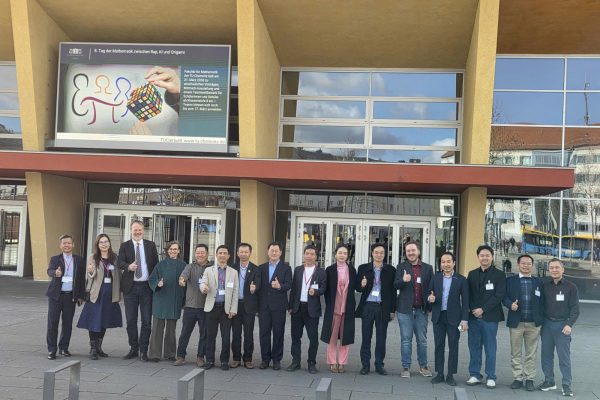
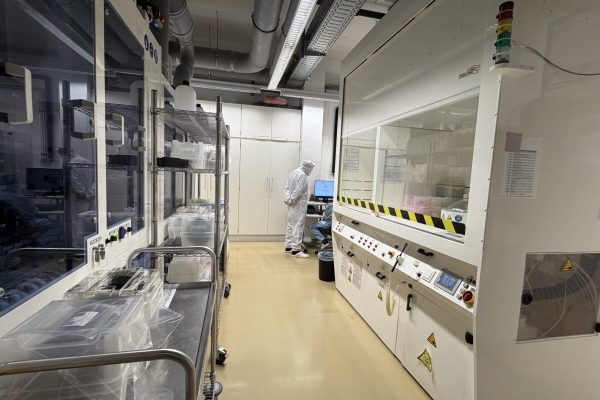
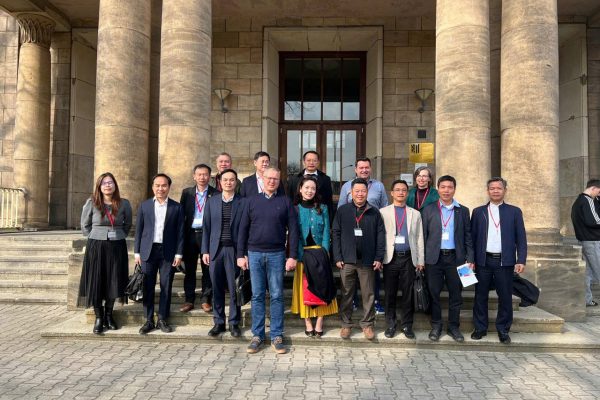
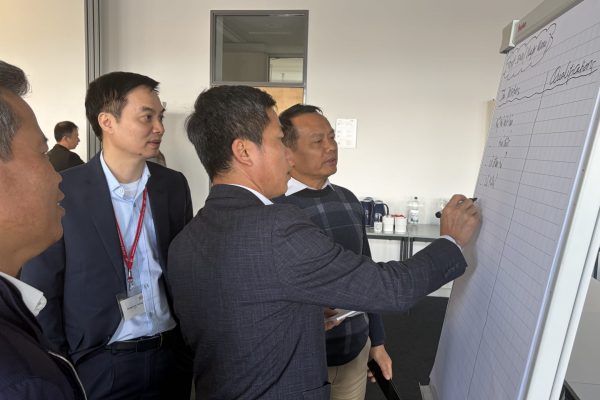
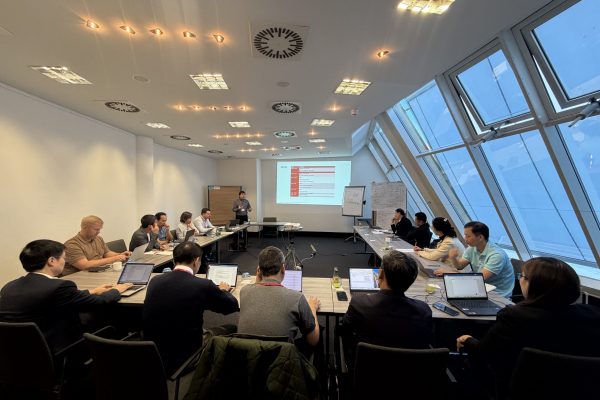
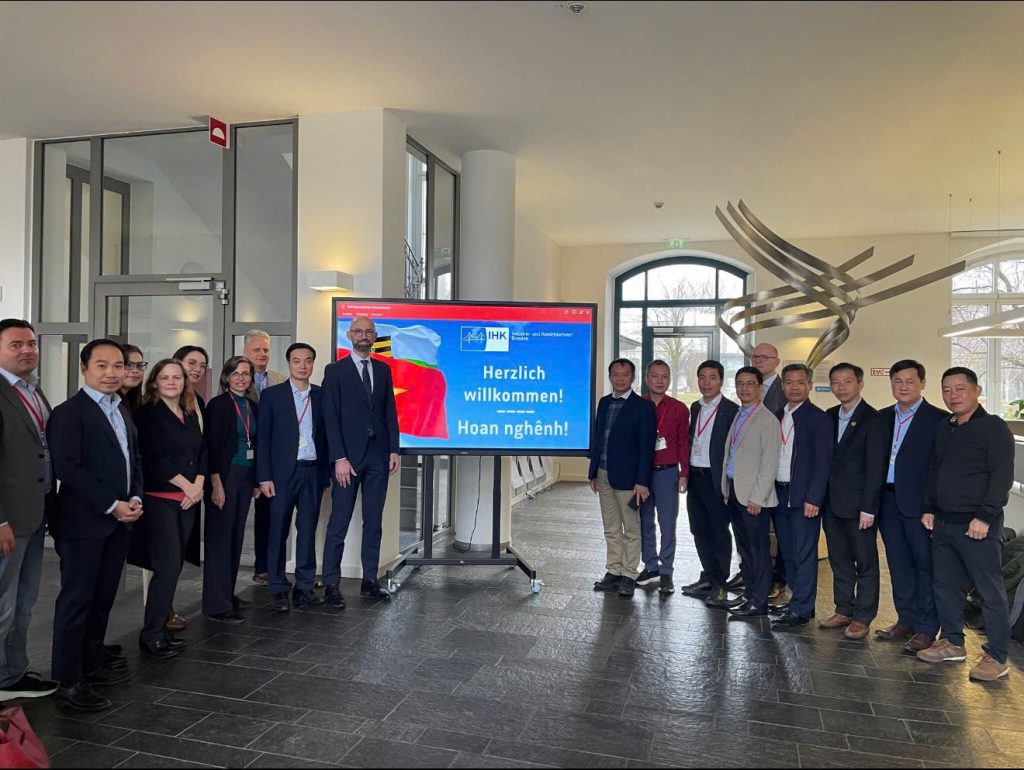
It is within this policy context that a high-level delegation comprising representatives from the Ministry of Education and Training (MoET), TVET colleges, universities, industry-related associations and the private sector travelled to Germany for a one-week study visit to gain firsthand experience of semiconductor training and education in Germany, and to initiate concrete cooperation. The study trip aimed to provide understanding of Germany’s governance and institutional frameworks in dual training mechanisms, identify requirements for semiconductor industry competency, benchmark modern training programmes and curriculum, and initiate partnerships between Viet Nam and Germany, to further support the establishment of a Vietnamese-German network for semiconductor training partnerships.
Key Takeaways from the Study Visit
Three defining messages emerged from the experience:
Industry must lead. Workforce development cannot be driven by government or educational institutions alone. Successfully meeting the challenges and needs of the labour market in the semiconductor industry is only possible with strong participation and responsibility on the part of industry. In Germany, companies are co-designers and co-funders of the training system – a principle that must be embedded in Viet Nam’s own approach.
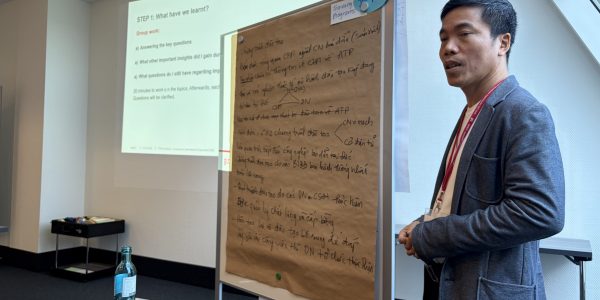
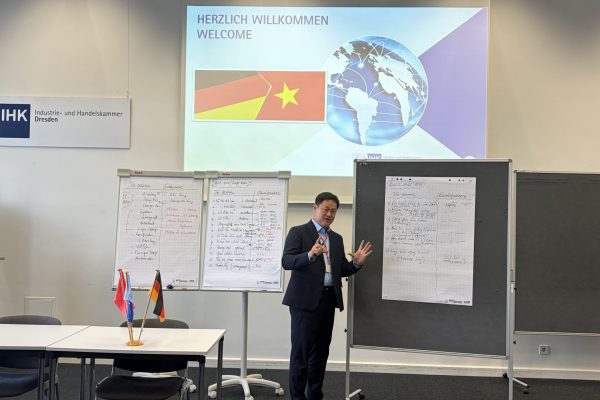
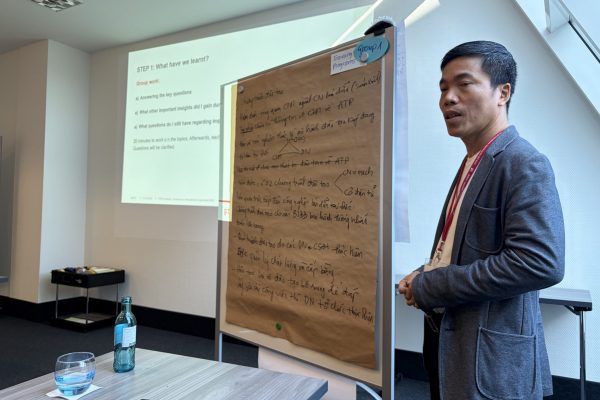
Vocational training is the backbone. A striking insight from the visit: Approximately 70% of the skills requirements of the labour market in this sector must be met through vocational training. Mr. Đồng Xuân Trường, Deputy Director General of the Department of Planning and Finance at MoET, reflected at the closing workshop:
“Through this visit, we observed that the semiconductor industry has significant human resource needs at both university and vocational education levels. In particular, the wafer fabrication and Assembly, Testing and Packaging (ATP) segments require around 70% of their workforce to be trained through vocational pathways. To supply the human resources that the semiconductor industry needs, close coordination among all stakeholders is essential — with state investment and business contributions playing a particularly important role”.
This further emphasised that skilled technicians and vocational graduates are not supporting cast – they are the foundation of the entire value chain.
Coordination is non-negotiable. Translating these lessons into practice requires coordinated cooperation between all stakeholders involved. The delegation left Germany not merely as observers, but with a shared sense of mission: all participants in this study trip see themselves as founders of a new stakeholder network and as ambassadors for the semiconductor sector in Viet Nam.
The study visit has set in motion a concrete agenda: assessing the potential for TVET cooperation between the two countries, and establishing a lasting professional network in semiconductor technology. With insights and lessons learned from this trip, the delegation returns home with not only knowledge, but a mandate to champion the transformation of Viet Nam’s semiconductor training ecosystem.
The study visit was conducted within the framework of the Action “Piloting and Innovation in Vocational Education and Training – Sustainability, Digitalisation and Skills Development for the High-tech Industry”, commissioned by the Federal Ministry of Economic Cooperation and Development (BMZ), implemented by the Deutsche Gesellschaft für Internationale Zusammenarbeit (GIZ) Viet Nam.