
Ho Chi Minh City, December 2025 – Viet Nam is accelerating efforts to green its technical and vocational education and training (TVET) system, recognizing greening—alongside digital transformation, inclusion, and cooperation with business – as a key enabler of sustainable development of the national TVET network.
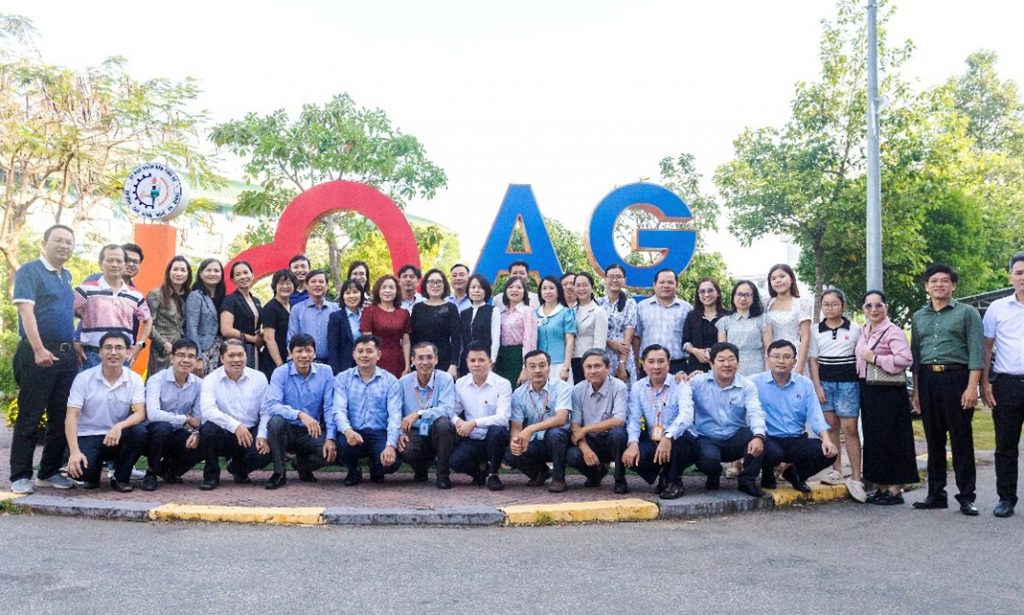
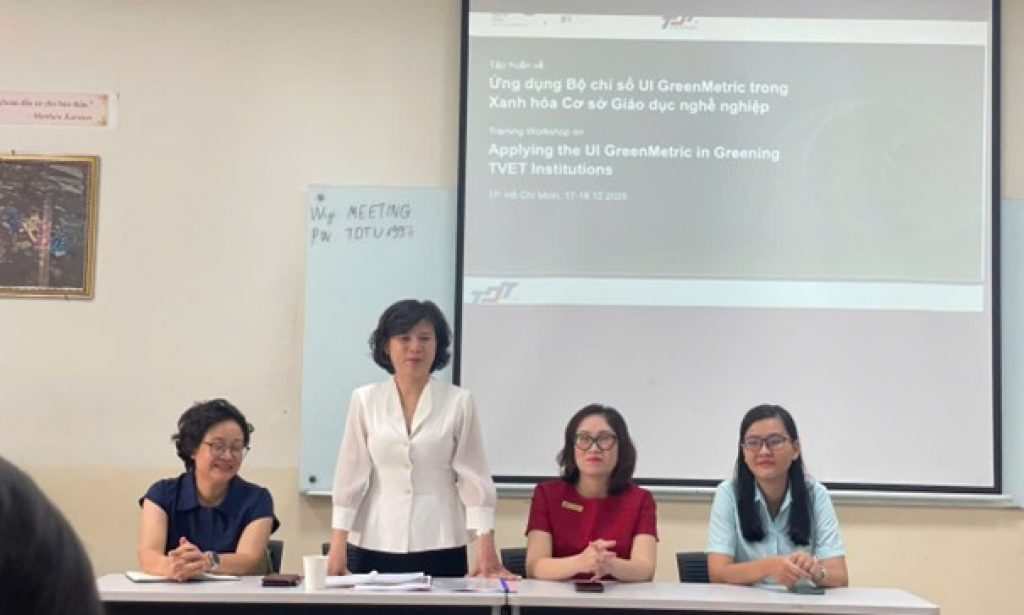
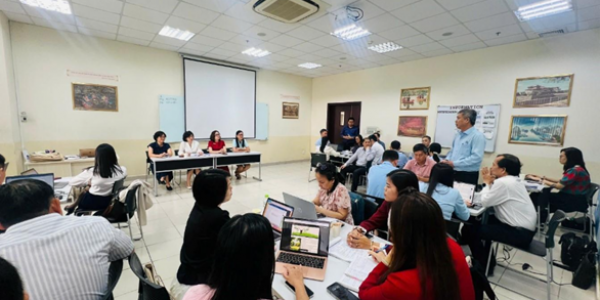
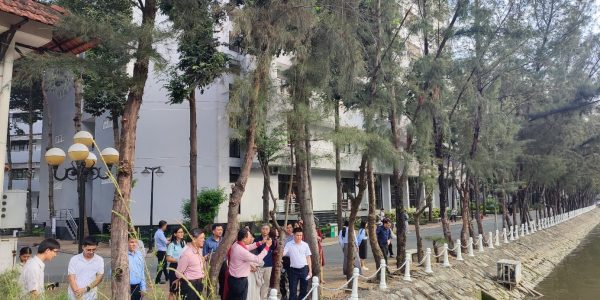
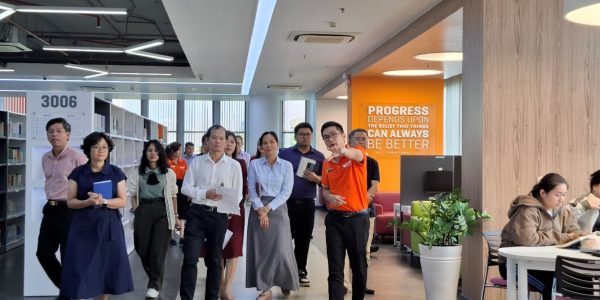
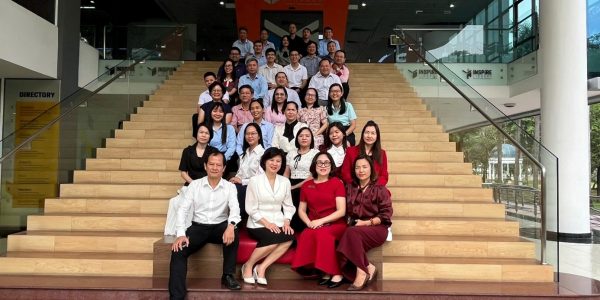
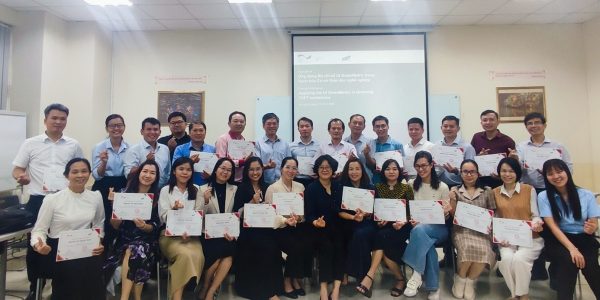
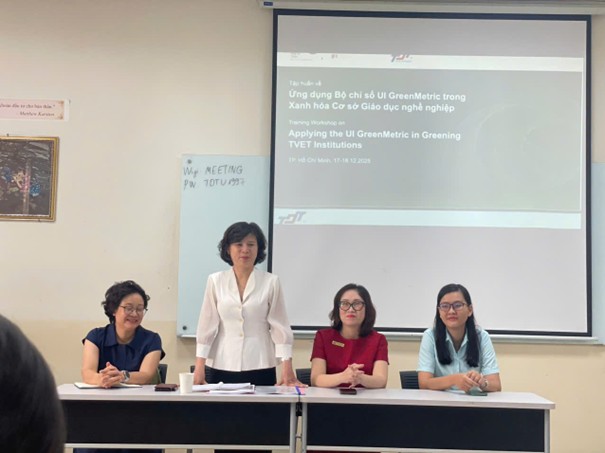
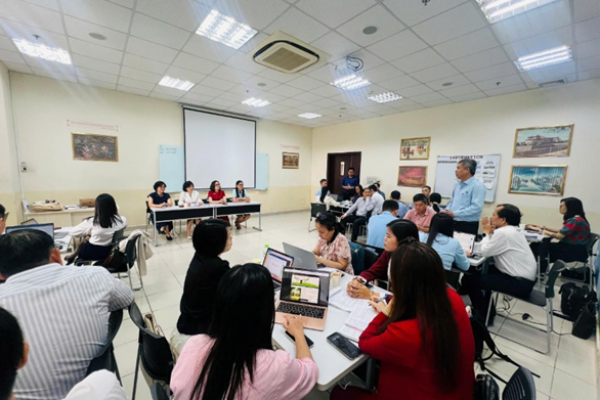
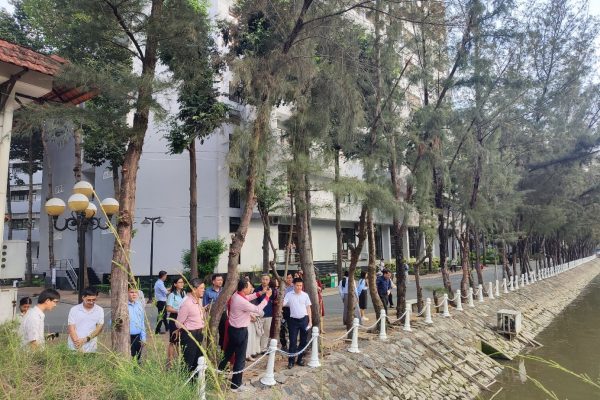
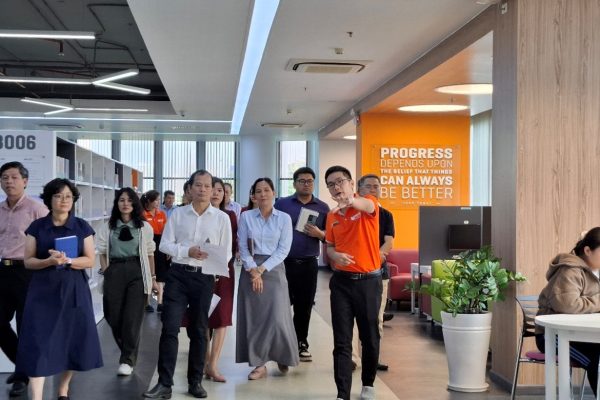
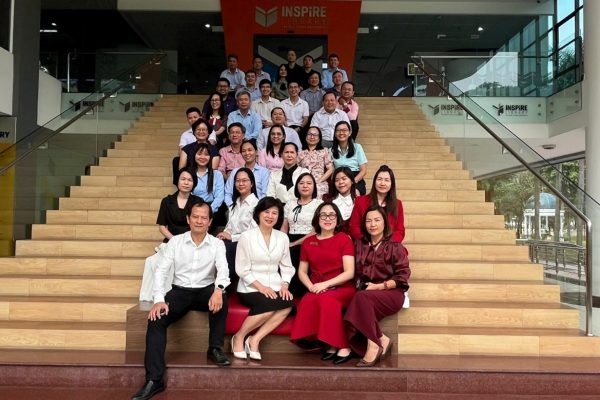
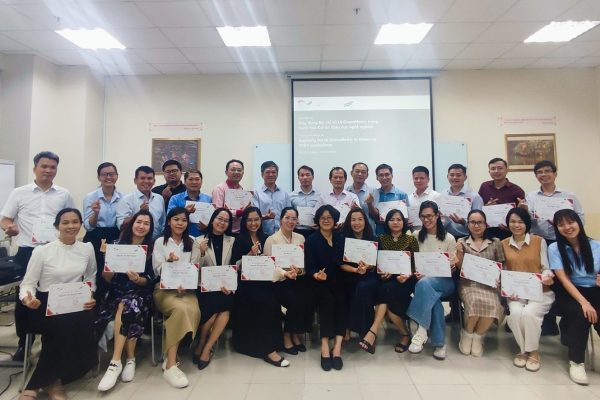
Within the framework of Viet Nam – Germany cooperation, the Deutsche Gesellschaft für Internationale Zusammenarbeit (GIZ) in Viet Nam, with financial support from the Study and Skilled Workers Fund (SFF), organised a training workshop on “Applying the UI GreenMetric Indicators in Green Transformation at TVET Institutes” from 17–18 December 2025 at Ton Duc Thang University with the participation of 28 focal points for greening and quality assurance from 13 TVET colleges.
The workshop familiarised participants with the UI GreenMetric framework, providing practical guidance on data collection, reporting, and assessment. It also supported participants in interpreting results to identify priority areas for improvement and in developing databases for regular monitoring and evaluation to ensure continuous progress.
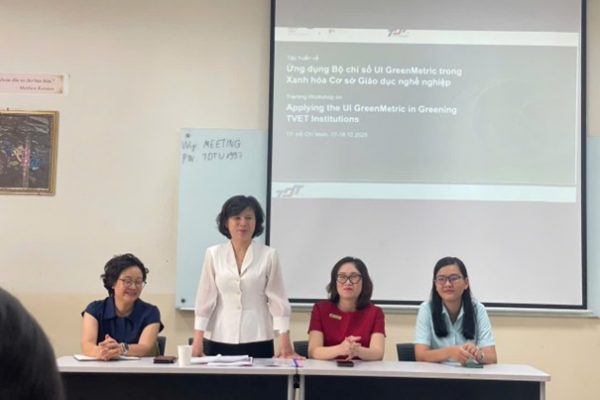
Opening the workshop, Associate Professor Dr. Vu Thi Tu Anh, Vice Director of the Department of Continuing and Vocational Education and Training (DCVET), Ministry of Education and Training (MOET), emphasised that greening has become an essential requirement for TVET institutions. “Greening transition is no longer a nice thing to do, but a must. Sustainable performance has and will increasingly be part of the quality framework for TVET institutions,” she stated.
The workshop took place in the context of recent policy developments, including the Revised VET Law (2025) and Resolution No. 71-NQ/TW of the Politburo on breakthrough development of education and training. Both documents underscored the importance of sustainability, innovation, and quality assurance as foundations for the future development of Viet Nam’s TVET system.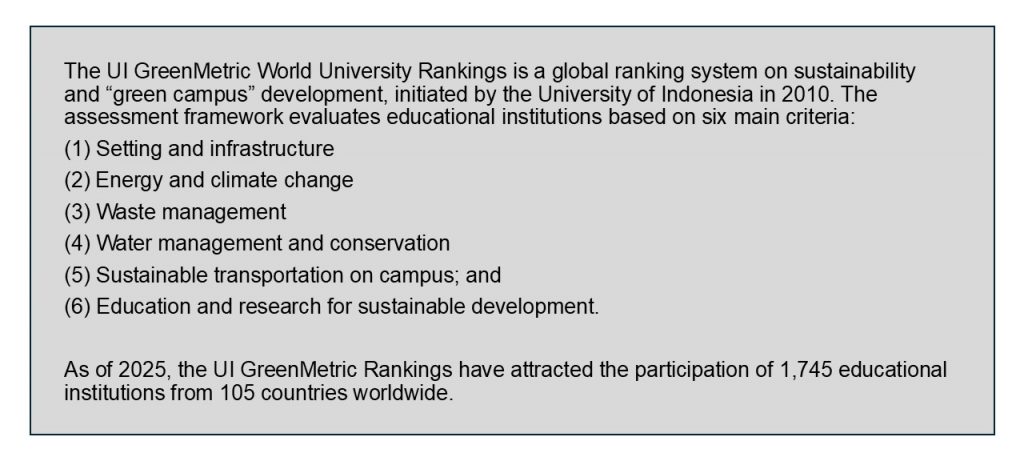 Experience sharing from TVET colleges participating in the 2025 UI GreenMetric World University Rankings further enriched discussions, supporting peer learning and encouraging wider adoption of sustainability practices across the sector.